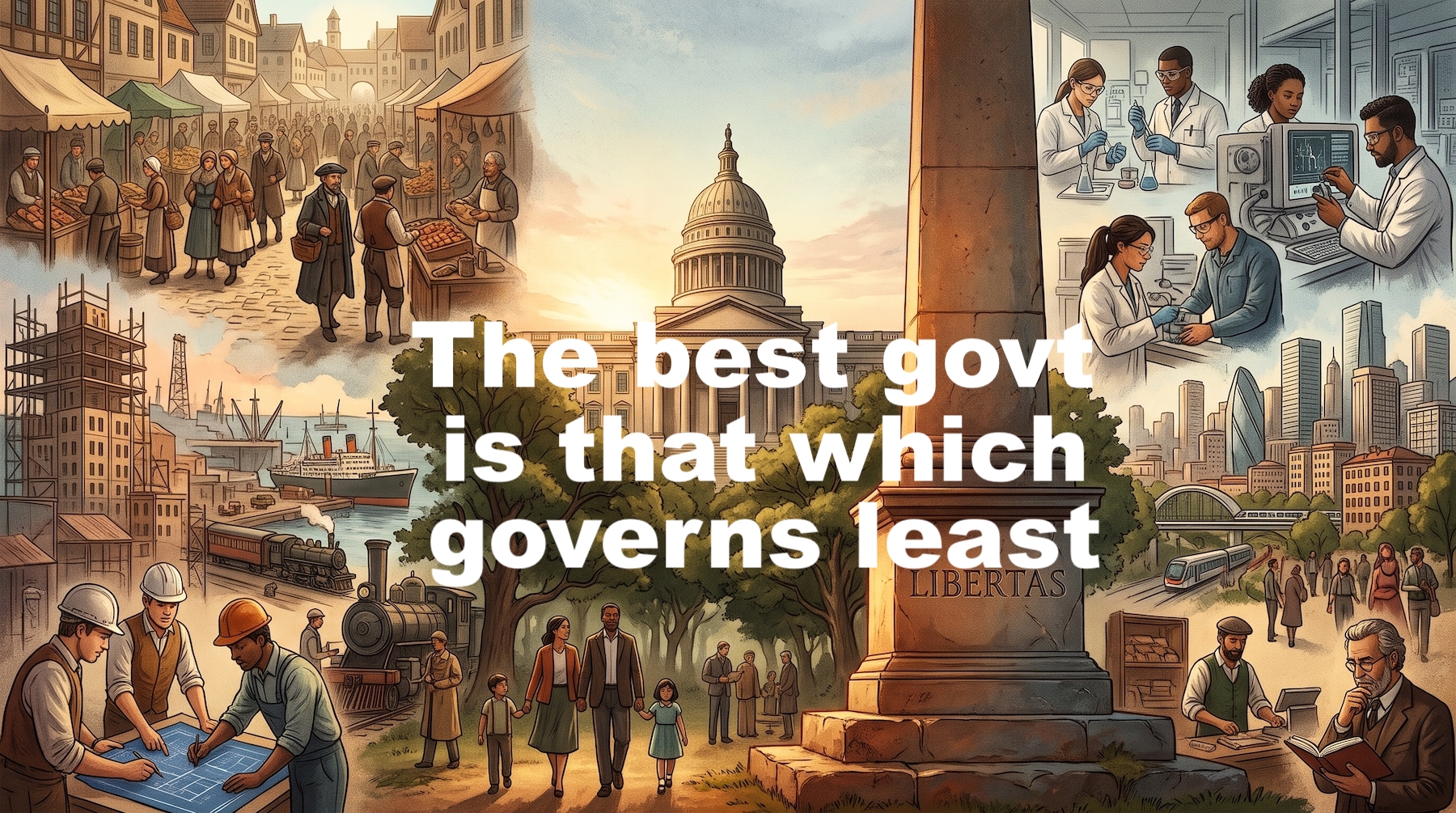
Democracy is popularly defined as a government of the people, by the people, and for the people. It is understood as a system of governance where citizens elect representatives who are expected to govern with the consent of the governed. In a democracy, eligible voters exercise their right to choose leadership by casting ballots for their preferred candidates during free and fair elections. The government established through this electoral process is entrusted to guarantee freedom of expression, assembly, and choice, alongside providing access to education, fair economic opportunities, and healthcare.However, democratically elected leaders frequently drift toward autocracy once in office. Unchecked authority and access to state resources often breed corruption and self-interest. Rather than serving the public, such leaders may misappropriate public funds for personal gain. As citizens grow disillusioned and demand accountability, these regimes frequently resort to draconian laws, curtailing free expression and suppressing the right to peaceful protest to retain control. Consequently, democracy devolves into authoritarianism. This essay will examine prominent democratic states to evaluate the validity of this premise.






 Kamran Mumtaz - Grade: 17
 Maryam Mumtaz - Grade: 17